The Ecological Cycle Experience
Participants directly observe and participate in 4 interconnected stages.
- Food —>>> Waste Awareness: Participants collect kitchens scraps and organic materials generated from meals. Behavioral Impact: Increased awareness of food origin and consumption patterns. Recognition of food waste volume. Reflection on processed vs. whole consumption. Psychological Mechanism: Exposure creates cognitive reframing. Food becomes a resource rather than a disposable commodity.
- Waste —>>> Soil Transformation (COMPOSTING): Through composting, participants observe decomposition driven by microbial activity. Learning Exposure: Organic matter breakdown. Role of microorganisms and biodiversity. Nutrient Cycling. Health Behavior Translation: Participants understand that soil quality determines food quality. Inputs affect outputs. This mirrors human health principles. “What we feed systems determines their function. ” This analogy reinforces healthier food selection behaviors.
- Soil —>>> Food Production (GARDENING): Participants plant crops using soil they help create. Behavior Reinforcement: Delayed gratification – growth cycle. Responsibility for plant health. Daily engagement with living systems. Neurobehavioral Effects: Repetition strengthens habit pathways. Physical nurturing behaviors increase emotional investment. Harvest anticipation increases willingness to consume vegetables. Researches show individuals are significantly more likely to eat foods they helped grow.
- Food —>>> Personal Health Outcome: Participants harvest and prepare foods produced from their own labor. Ownership transition: Food becomes personally meaningful, effort linked, identity reinforcing. This creates a feedback loop: Personal Effort -> Food Production -> Consumption -> Health Benefits ->Motivation to Continue.



Why?
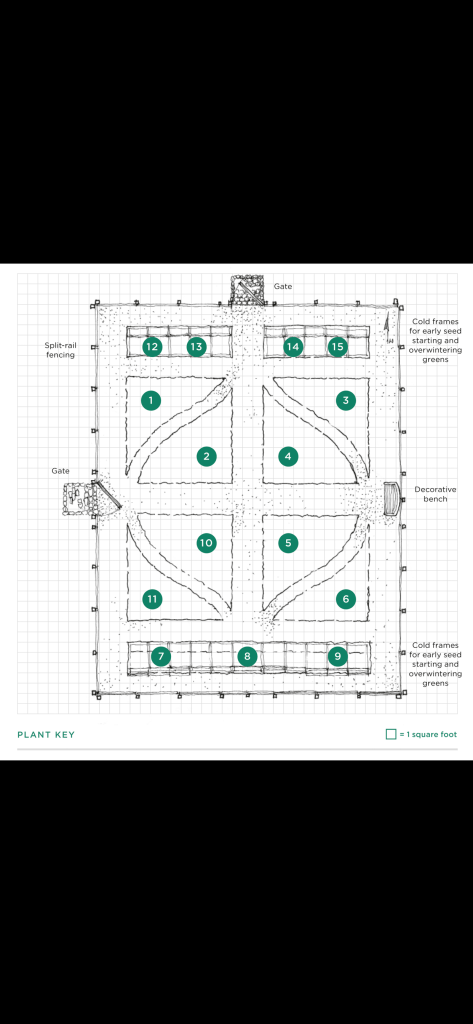
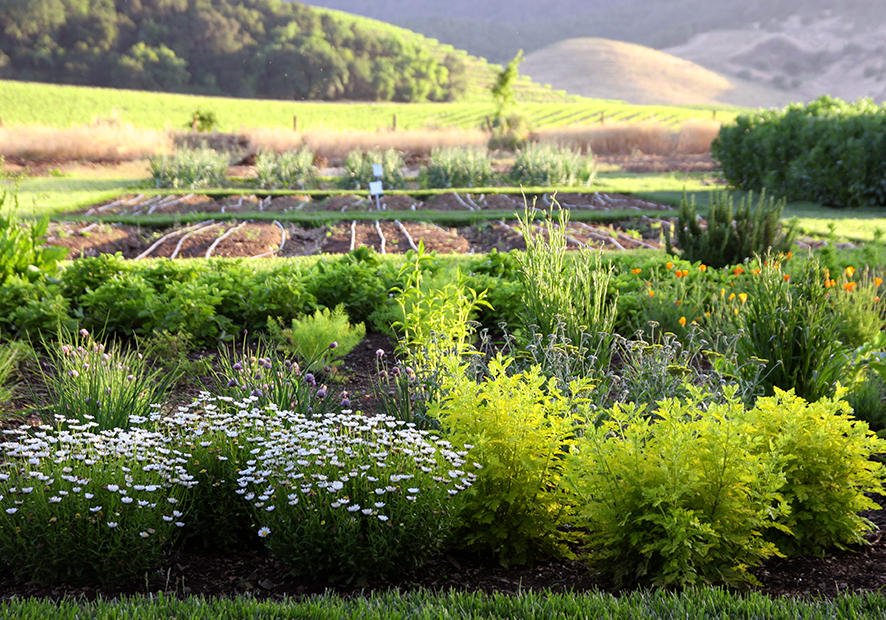
Heirloom Kitchen Garden
The best tasting vegetables are heirlooms.
The most fragrant flowers are heirlooms.
The most interesting plants are heirlooms.
Heirlooms produce healthy nectar and pollen for pollinators.
Heirlooms have a natural tolerance for regional conditions.
Heirloom seeds can be saved year after year.
Heirloom plants can be grafted and come true.
Heirlooms preserve the biodiversity of our food system.
Heirlooms provide a way to re-create history through historical gardens.
Heirlooms have great names and offer good stories and memories.
Credit & Garden Design by Ellen Ecker Ogden