Experiential Learning Theory
Hands-on participation produces stronger retention and behavior adoption than classroom education.

Self-Determination Theory
Gardening supports:
- Autonomy (participants make choices)
- Competence (skills mastery)
- Relatedness (community participation)
These factors strongly predict long-term behavior change.
Habit Formation Through Environmental Design
Repeated exposure in a food-growing environment changes default behaviors by altering cues and routines.
Growing with Earth.
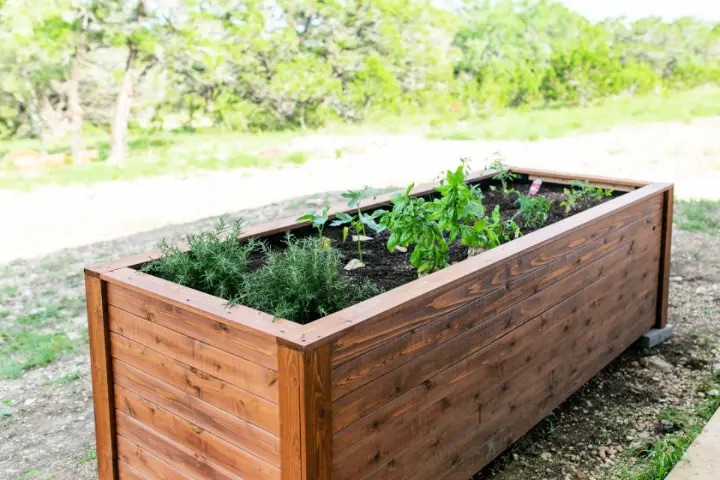
Container Kitchen Garden
- Waist height stand up container
- Mobile
- Chemical free wooden material
- Build-in compost bin
- Build-in irrigation system
- Drainage

Planter Box
- Prefilled with cordinating soil
- Choices of pre-planted flowers, spices, or vegetables
- Reusable
Start where you are, use what you have, do what you can.
Soil is an antidepressant. The smell of mycobacterium vacii, a microorganism found in soil, compost and leaf mold, lights up neurotransmitters that release serotonin (a mood lifting hormone).
Gardening grounds us. It gets us out of our busy heads and back into our bodies. Alone there on our knees, we can breathe. With our nurturing hands duly occupied, while gardening we allow ourselves the time and space to truly feel peace, pride, satisfaction, and joy.